INTRODUCTION/
BACKGROUND INFORMATION
About Rainbow Centre
Rainbow Centre is a registered Non-Governmental Organization (NGO) which operates under the Catholic Diocese of Moshi. It is registered under NGO Act, No. 24 of 2002 with Registration No. 07NGO/1465. Rainbow Centre was founded in 1992. It is an institution owned by the Diocese of Moshi and was established for the purposes of offering HIV and AIDS prevention, care and support services to the community of Moshi Municipality, Moshi Rural, and Hai districts of Kilimanjaro region.
The name Rainbow is derived from Biblical text Genesis 9:12-17. In this text God made a covenant with Noah. God promised Noah that he would not destroy the world again. In order to keep the covenant God set a symbol, the rainbow, to signify hope and assurance of a new world (Genesis 9:13). Rainbow Centre programme has its headquarters in Moshi Municipality. The programme has supporting centres in its catchments areas.
These Centres are at Kilema, Kibosho and Soweto Hospitals. All are owned by the Catholic Diocese of Moshi and are located in Kilimanjaro region.
TAGET GROUPS AND STAFF
Target group
Staff
RAINBOW CENTRE TEAM
It is composed of 9 members, appointed by the Board of Trustees.
Term of office is 3 years and the chairperson is elected by the Board members.
Responsibilities:
- Act as an advisory Board to the Rainbow Centre Management team.
- Discuss and make decisions on the implementation guidelines of all affairs of the programme at its annual general meeting.
- To give directives on the execution and running of the day to day activities of the programme.
- Approves the steering team for the day to day activities of the programme.
- Verify and approves implementation reports submitted by the executive team at the Annual General Meeting
- Give technical advice on the daily activities execution and management at the Annual general meeting or any other relevant occasion.
- Supervise the formation of implementation committees of Rainbow Centre activities whenever possible
- Assume responsibility for the programme’s resource mobilization (Human, Financial and materials)
- Approves the programme’s budget
- Monitors the overall programme activities.
PROGRAMME MANAGEMENT TEAM:
This is a team of technical staff appointed by the Advisory Board as per the human resource policy. They are employees from the Rainbow Centre’s supporting facilities that are implementing HIV and AIDS activities.
The Management Members:
- Programme Officer
- Programme Coordinator
- Programme Accountant
- Field Officer
- Programme Secretary
- Diocesan Health Secretary
- Zonal coordinators
Responsibilities:
- Plan, implement, monitor and evaluate programme activities.
- Data collection and reporting.
- Preparation for and participation in the monthly meetings.
- Participation in the capacity building workshops and seminars.
- Strengthen networking and mult-sectoral collaboration.
- To read and approve the programme reports before submission
- Prepare and submit narrative and financial reports as guided by the Diocese and donors requirement for both internal and external use.
Home Based Care Volunteers:
These are health provider volunteers in the community trained on HBC services for PLHIV, OVCs and chronically ill patients.
Rainbow centre has 76 HBC Volunteers.
Responsibilities:
- Conduct health education sessions in their respective areas.
- Make home visits/care of PLHIV, people with chronic illnesses and OVCs.
- Identify and register OVCs.
- Provide material support to OVCs and PLHIV.
- Make follow-ups and give referrals whenever necessary.
- Collect data of clients and adhere to confidential information standards.
- Sensitize the community to initiate income generating activities for OVCs and PLHIV.
- Participation in volunteers and beneficiary monthly meetings in order to share experiences and reports.
- Advocate and lobby for clients.
Peer educators:
- Rainbow Centre has 18 Peer Educators with the following roles:
- Conduct health education sessions in their respective areas.
- Prepare and conduct seminars and workshops in the community.
- Assist in identification and registration of OVCs.
- Assist in providing materials support to OVCs and PLHIV.
- Sensitize people to attend voluntary counseling and testing as part of HIV prevention.
- Sensitize community to initiate income generating activities for OVCs and PLHIV.
- Participate in volunteers and beneficiaries’ monthly meetings in order to share experiences and reports.
- Advocate and lobby for clients.
Our Team
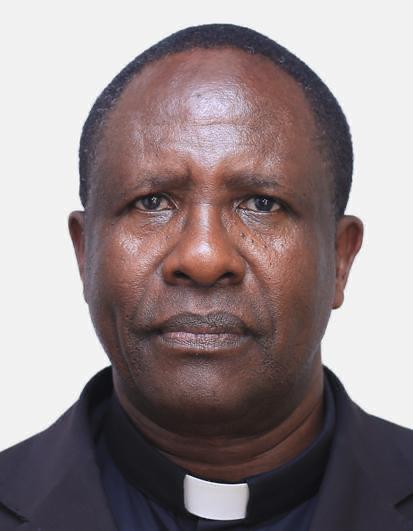
Rev fr Aloyce Joackim Urio
Director
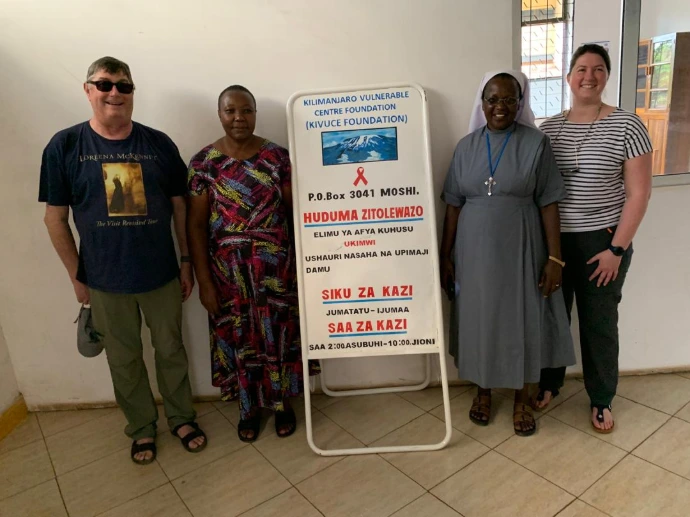
We are waking together with the Nouns and other members
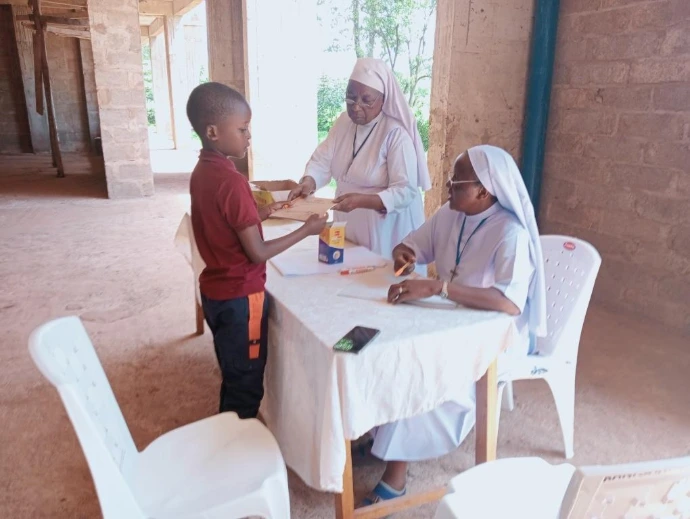
Our Lady Of Kilimanjaro Sisters at hospitals
Target beneficiaries:
Primary beneficiaries:
Secondary beneficiaries:
- Secondary beneficiaries for our programme with annual projections are given as follows:
- Adults and youth: people residing within the Diocese who are not part of the primary beneficiary groups (1,000 to be reached annually).
- Faith Based Organization leaders: leaders of different religious beliefs.
- Community leaders: leaders from grass root level (street, ward level)
- Teachers: based at primary and secondary schools.
- School head teachers of primary and secondary schools
- Health workers: doctors and nurses from the Diocesan hospitals.
- Community based organizations: women’s groups for income generating activities (20 to be reached annually).